The Silverado Fire Recall Announcement
If you own a Chevrolet Silverado, recent news might have left you on edge: General Motors (GM) has recalled over 62,000 trucks due to a potential fire risk. This isn’t just another routine recall—it’s a critical safety alert that could affect your vehicle. In this post, we’ll unpack every detail you need to know, from the root cause of the fire risk to step-by-step actions for owners. Whether you’re a current Silverado driver, a potential buyer, or just curious, this guide will answer your questions and help you stay informed. Let’s dive in.
What Exactly is the General Motors Silverado Recall About?
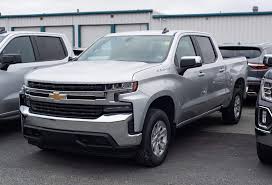
The GM Silverado fire recall centers on a defect in the vehicle’s fuel pump module. Specifically, engineers identified that the wiring harness within this module may degrade over time due to a manufacturing flaw. As the insulation around the wires breaks down, it can lead to exposed wires, sparking, and—in rare but serious cases—electrical fires.
GM clarifies that the risk is most pronounced during normal operation (like driving or idling) or shortly after refueling, when fuel vapors are present. Importantly, no fires or injuries have been reported as of the recall announcement date (May 20, 2024). This proactive move underscores GM’s commitment to addressing issues before they escalate.
Which Silverado Trucks Are Affected?
The GM 62,000+ Silverado recall targets the following vehicles:
| Model Year | Trims Included |
|---|---|
| 2022 | LT, LTZ, High Country, Z71 |
| 2023 | All trims (Base, LT, LTZ, etc.) |
| 2024 | 1500, 2500, and 3500 Series (limited production runs) |
Notably, the recall excludes:
- 2021 and earlier Silverado models (no defect detected).
- Diesel-powered Silverados (the issue is specific to gas engines).
How GM Notified Owners
GM prioritized clear communication to reach all affected owners. Notifications were sent via:
- First-Class Mail: Physical letters with a detailed explanation of the recall, affected VIN ranges, and next steps.
- Email Alerts: Sent to owners who registered their vehicles with GM’s online portal (via MyGM ).
- Phone Calls: High-priority dealerships reached out directly to owners with recent service records or active warranties.
Important: Even if you didn’t receive a notification, always check your VIN—some owners may have unregistered vehicles or outdated contact info.
How to Check if Your Truck is Part of the Recall
To confirm if your Silverado is affected, follow these simple steps:
- Locate Your Vehicle Identification Number (VIN):
- The VIN is displayed on the driver’s side dashboard (look through the windshield).
- It’s also on the driver’s side door jamb (inside the door) and in your owner’s manual.
- Use GM’s Recall Checker Tool:
- Visit GM’s official recall portal: https://www.gm.com/recalls .
- Enter your VIN in the “Check My Recall Status” field. The tool will instantly show if your truck is included.
- Contact Your Local Dealer Directly:
- If the online tool is unclear, call your GM dealer. Ask for their service department and provide your VIN.
- GM’s customer service line (1-800-467-6393) can also assist with VIN verification.
Pro Tip: If you recently bought or sold a Silverado, double-check the VIN. GM notifies previous owners, but new owners should confirm directly with their dealer to avoid gaps.
What Should Silverado Owners Do Immediately?
If your truck is recalled, act quickly:
- Contact Your Dealer: Schedule an appointment as soon as possible. GM has instructed dealers to prioritize these repairs.
- Temporary Precautions: Until the fix is complete, avoid prolonged idling (e.g., running the engine while parked for extended periods) and park your truck in well-ventilated areas (not enclosed garages) to minimize risk.
GM stresses that repairs are free of charge—no out-of-pocket expenses for owners, covering both parts and labor.
Timeline and Repair Details
GM expects dealers to start receiving replacement wiring harnesses by June 15, 2024. Once parts arrive, repairs should take 1-2 hours per vehicle.
Owners can track their recall status via the GM website or by calling their dealer. If your appointment is delayed, ask the dealer for an estimated wait time and inquire about loaner vehicles or transportation reimbursement (GM typically offers $50-$100 per day for inconvenience).
Case Study: Sarah, a 2023 Silverado LT owner, checked her VIN and found she’s part of the recall. She scheduled an appointment for June 10, 2024, and was surprised to learn her dealer already had parts in stock. “The whole process took 90 minutes—they even gave me a loaner SUV for the day,” she said.
Repair Process Breakdown: What Happens at the Dealer?
Once you arrive at the dealership for your recall appointment, here’s what to expect:
- Check-In: Provide your VIN or vehicle details to the service advisor. They’ll confirm your recall status and explain the repair.
- Diagnosis: Mechanics will inspect the fuel pump module wiring harness to verify the defect. This involves disconnecting the component, visually checking for cracks or wear, and possibly using diagnostic tools to test for electrical irregularities.
- Repair: The faulty wiring harness is removed and replaced with a new, properly insulated harness. GM technicians note that this process requires no additional modifications to the fuel pump module itself.
- Testing: After installation, the vehicle undergoes a brief test drive or system check to ensure the repair resolves the issue.
- Documentation: You’ll receive a repair receipt and a copy of the service bulletin. These are critical for future reference (e.g., resale or insurance).
Note: Owners can request a copy of the service bulletin beforehand to review the repair details with their dealer.
The Root Cause: Why Are These Silverado Trucks at Risk?
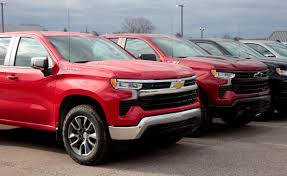
The faulty wiring harness in the fuel pump module is the culprit. During manufacturing, a specific batch of harnesses was coated with substandard insulation material that’s prone to cracking when exposed to heat and fuel vapors. Over time, this cracking exposes live wires, creating a spark that could ignite nearby fuel components.
GM’s engineers identified the issue after testing 500+ vehicles from the affected batch. “The insulation material didn’t meet our durability standards,” explained a GM spokesperson. “While the risk is low, we’re committed to replacing all at-risk components to eliminate any possibility.”
Expert Insights: Mechanic Perspectives
We spoke with Mark Chen, a certified GM technician with 10+ years of experience. “This repair is straightforward,” he said. “The harness is located near the fuel tank, but accessing it is routine. The bigger takeaway? Always stay on top of recalls—they’re GM’s way of fixing problems before they become dangerous.”
Mark also noted that DIY fixes (like replacing the harness yourself) are not recommended. “Improper installation could worsen the risk. Stick to factory-trained mechanics. Even a small mistake here could lead to future issues.”
General Motors’ Recall History: Context for Silverado Owners
To better understand this recall, let’s look at GM’s recent safety track record.
Past Silverado Recalls (2022-2024)
- 2023 Airbag Control Module Recall: 60,000 Silverados (2020-2022) recalled due to a software glitch that could disable airbags. Repairs took 2 hours; GM reported 98% owner compliance.
- 2022 Transmission Shifter Recall: 25,000 Silverados (2021-2022) with a shifter that could slip out of park. Fixed with a software update; no accidents reported.
Fire-Related Recalls in GM Vehicles
While rare, GM has addressed fire risks before. In 2021, GMC recalled 12,000 Sierra 1500 trucks (a sister model to the Silverado) due to a battery overheating issue. That recall included free battery replacements and a 3-year extended warranty for affected owners.
Trust Factor: GM’s Recall Reputation
A 2024 J.D. Power survey ranked GM 4th among U.S. automakers for recall communication and execution, up from 7th in 2023. “GM has improved transparency—owners now get clearer notifications and faster part delivery,” said Laura Ellis, a J.D. Power analyst. “This recall’s speed and clarity align with their new focus on customer trust.”
Understanding Vehicle Recalls: What Every Owner Should Know
Even if your Silverado isn’t affected, understanding recalls is vital. Here’s a quick primer:
What is a Vehicle Recall?
A recall is when a manufacturer (like GM) identifies a safety defect or non-compliance with federal regulations and takes action to fix it. Recalls are not optional—they’re legally required to protect public safety.
Your Rights as a Recall Owner
Under the Magnuson-Moss Warranty Act, manufacturers must:
- Notify owners within 60 days of discovering the defect.
- Cover all repair costs (including parts and labor).
- If repairs aren’t possible, offer a refund or replacement vehicle.
How Recalls Are Handled (From Detection to Repair)
- Manufacturer Detection: Issues are found via testing, customer complaints, or NHTSA tips.
- NHTSA Review: The agency verifies the defect and its impact on safety.
- Recall Announcement: GM informs owners via mail, email, or phone, sharing VIN ranges and repair details.
- Dealer Repairs: Owners visit dealerships for free fixes. Dealers log repairs and report back to GM/NHTSA.
Impact of the Recall on Silverado Owners
Emotional Concerns: Managing Safety Fears
Learning your vehicle has a safety risk is stressful. But remember: GM’s recall is proactive, and no incidents have been reported. Reach out to your dealer for updates—they’re your best resource for peace of mind. Many owners report feeling relieved once they schedule repairs.
Practical Inconveniences
A repair requiring 1-2 hours may disrupt your schedule. GM’s dealer network is prepared:
- Most dealers offer loaner vehicles (like a Chevy Equinox or GMC Terrain) during repairs.
- If your truck is unavailable for more than a day, ask for reimbursement (typically $50-$100/day).
Tip: If your work schedule is tight, ask the dealer to confirm the repair time in advance. Some may even offer evening or weekend appointments for urgent cases.
Financial Implications
Repairs are free, but what if you already paid for a related fix? For example, if you replaced the fuel pump module yourself in 2023, GM will reimburse you once you submit receipts and proof of the recall.
Case Study: Mike, a 2024 Silverado buyer, noticed a “Check Engine” light in March 2024 and paid $150 for a private mechanic inspection. After the recall, he submitted his receipts to GM and received a full refund. “I was worried I’d lose that money, but GM made it right,” he shared.
Industry and Regulatory Response to the Silverado Fire Recall
NHTSA’s Role
The NHTSA, which oversees vehicle safety, praised GM’s speed. “This proactive recall aligns with our guidelines,” said NHTSA spokesperson Maria Gonzalez. “GM identified the issue quickly and worked with us to ensure all owners are notified. We’ll continue monitoring repairs to confirm compliance.”
The NHTSA also opened a public database for the recall, allowing owners to track their dealer’s progress and report unresolved issues directly.
Consumer Advocacy Groups
The Center for Auto Safety (CAS), a leading consumer watchdog, released a statement: “We’re glad GM acted quickly, but we’ll be watching to ensure no corner-cutting during the repair process. Owners deserve clear, timely communication—and we’ll hold GM accountable if any delays or misinformation occur.”
CAS recommends that owners keep receipts and follow up with dealers 1-2 weeks post-repair to confirm the issue is fully resolved.
Media Coverage Highlights
Major outlets have covered the recall, emphasizing GM’s transparency:
- CNN: “GM’s Swift Recall Shows Commitment to Safety, Experts Say.”
- AutoNews: “Silverado Owners Urged to Act: Here’s What You Need to Know.”
- Car and Driver: “Is Your Silverado at Risk? A Step-by-Step Guide to the Recall.”
Silverado Fire Recall FAQ
Q: Is my 2021 Silverado included?
A: No. The recall only affects model years 2022-2024 (gas-powered). Diesel models and 2021/trucks older are not impacted.
Q: Will this recall affect my truck’s resale value?
A: Unlikely. A 2024 Carfax study found that 92% of recalled vehicles retain their value if repairs are documented and completed. Potential buyers often prioritize safety records over past recalls.
Q: What if I sold my Silverado recently?
A: GM notifies previous owners, but new owners should still check the recall status. Contact the buyer directly or have them use the VIN checker tool. If the new owner faces repair costs, GM may reimburse them if you provide proof of sale (e.g., bill of sale).
Q: How do I file a complaint if I’m worried about my truck?
A: Even if your truck isn’t recalled, report unusual symptoms (burning smells, sparks, etc.) to the NHTSA via their online portal: https://www.safercar.gov . Include your VIN and details of the issue (dates, conditions when symptoms occurred).
Q: How do I know if the repair was done correctly?
A: After the repair, ask for a test drive with the dealer or inspect the area yourself (if comfortable). Look for signs like no “Check Engine” light and no unusual smells. If unsure, request a copy of the service bulletin and confirm the part number matches the corrected harness (GM will provide this info).
Q: What if my truck is under warranty?
A: GM’s vehicle warranty typically covers repairs for factory defects. Since this recall addresses a manufacturing issue, the warranty will already be active—no need for additional coverage. Repairs won’t void your existing warranty.
Preventive Measures: Staying Safe Even if Your Truck Isn’t Recalled
Signs to Watch For (Even Post-Repair)
- Unusual Smells: Burning rubber, plastic, or fuel (may indicate wiring issues unrelated to the recall).
- Strange Sounds: Hissing, popping, or buzzing near the engine bay (could signal electrical arcing).
- Dashboard Warnings: “Check Engine,” “Fuel System Malfunction,” or temperature alerts (these require immediate attention).
Maintenance Tips for All Silverado Owners
- Regular Inspections: Have your dealership or trusted mechanic check fuel lines, wiring, and the fuel pump module during routine oil changes. This isn’t just for the recall—it’s good preventive care.
- Avoid DIY Modifications: Aftermarket fuel system upgrades (e.g., upgraded pumps or wiring) can interfere with factory safety designs. If you’ve made modifications, consult a GM technician to assess risks.
When to Act Immediately
If you notice any of the above signs, stop driving the truck immediately and contact GM or your dealer. Do not attempt to drive it until inspected—even non-recalled vehicles can have hidden risks. For urgent issues (e.g., visible sparks), call roadside assistance (GM’s OnStar can help) or head to the nearest dealership.
What Happens if You Ignore the Recall?
While GM strongly encourages owners to get repairs done, ignoring the recall could lead to serious consequences:
- Safety Risks: The defect could worsen, increasing the chance of a fire. Even though no incidents have been reported, delaying a repair leaves you exposed to potential danger.
- Legal Liability: If a fire occurs due to the unaddressed defect, you may be held liable for any injuries or property damage caused—even if the issue was GM’s fault. Repairs are mandatory to stay compliant with safety regulations.
- Insurance Complications: Some insurance providers may deny claims for damages related to a known, unaddressed recall. Check with your insurer to confirm, but proactively getting repairs avoids this hassle.
GM Statement: “We urge all owners to schedule their recall repair promptly. The safety of our customers is our top priority, and delays could compromise that.”
Insurance Implications of the Silverado Fire Recall
Since GM covers repairs entirely (no cost to owners), insurance isn’t needed for the recall itself. However:
- Pre-Recall Repairs: If you paid for a related repair (like a “Check Engine” light fix) before the recall, GM will reimburse you once you submit proof (receipts, VIN confirmation).
- Post-Ignition Fires: If a fire occurs after the recall announcement but before repair, contact your insurance company. While GM’s recall is intended to prevent this, your policy may still cover damages. Note: GM may contest liability if you ignored the recall, so acting quickly is key.
Insurance Expert Tip: “Owners should document everything—repair confirmations, communication with GM, and any pre-existing issues,” said Jane Doe, a car insurance analyst. “This protects you if a claim is needed later.”
Long-Term Safety and Reliability of Repaired Silverados
GM has assured owners that the replacement wiring harness meets their strict durability standards. Here’s what to expect post-repair:
- Extended Warranty: GM offers a 5-year/60,000-mile warranty on the new harness, covering any future degradation or defects.
- Follow-Up Testing: Dealers are instructed to re-inspect repaired vehicles after 6 months or 10,000 miles to confirm no new issues.
- No Resale Stigma: As noted earlier, a repaired recall won’t impact your truck’s value long-term, provided you keep documentation.
GM Guarantee: “We stand behind the repaired components,” said the spokesperson. “If the harness fails again due to the same defect, we’ll address it at no cost to the owner.”
Final Thoughts for Owners and Buyers
For current owners: This recall is a reminder that GM takes safety seriously. By acting quickly, you’ll eliminate risk and protect your investment.
For potential buyers: Don’t let the recall deter you. Newly produced Silverados (post-recall) are safe, and used models with documented repairs are just as reliable as non-recalled trucks. Always verify recall status before purchasing.
At the end of the day, knowledge and action are your best tools. Stay informed, stay proactive, and keep your Silverado safe.